
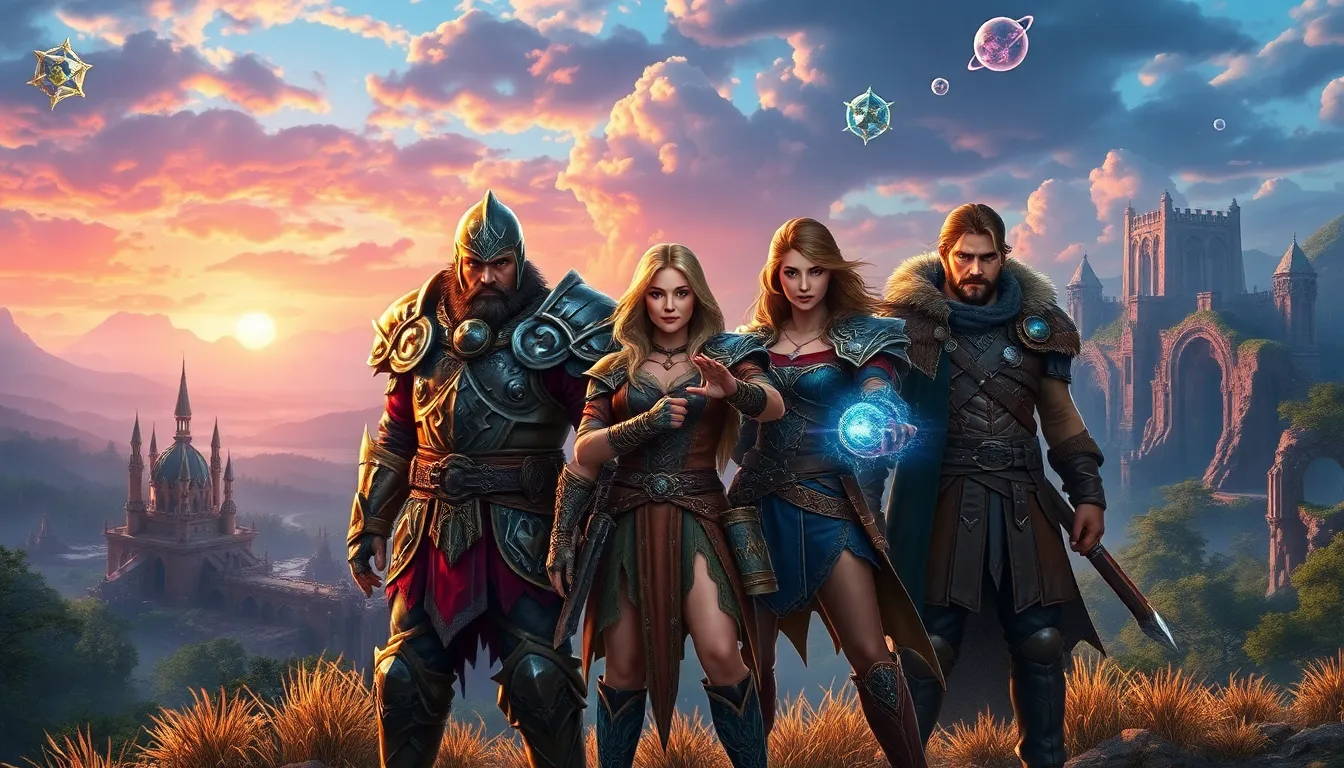
World of Warcraft remains one of the most influential MMORPGs ever created. Since its 2004 launch, Blizzard Entertainment’s flagship title has attracted millions of players worldwide. The game offers a massive fantasy universe filled with quests, dungeons, raids, and player-versus-player combat. Whether someone is a veteran adventurer or a curious newcomer, World of Warcraft delivers an experience that continues to captivate audiences two decades later. This guide covers everything players need to know, from the game’s rich history to practical tips for getting started.
Table of Contents
ToggleKey Takeaways
- World of Warcraft has remained a dominant MMORPG since its 2004 launch, with ten major expansions and over two decades of continuous content updates.
- Players choose between two factions—Alliance or Horde—which determines their quests, cities, and who they can group with throughout the game.
- The game offers diverse endgame activities including dungeons, raids, PvP combat, and professions to suit different playstyles.
- World of Warcraft Classic runs alongside the main game, allowing players to experience the original version and early expansions.
- New players should take their time leveling, join a guild for community support, and use resources like Icy Veins to learn their class effectively.
- The Worldsoul Saga trilogy, starting with The War Within (2024), promises years of upcoming World of Warcraft content including Midnight and The Last Titan.
The History and Evolution of the Game
World of Warcraft launched on November 23, 2004, and it changed online gaming forever. Blizzard Entertainment built upon its successful Warcraft real-time strategy series to create an immersive MMORPG experience. The game drew players into Azeroth, a world already beloved by fans of Warcraft III.
The initial release featured two continents: Kalimdor and the Eastern Kingdoms. Players could explore zones, complete quests, and group up for dungeons. World of Warcraft quickly surpassed expectations. By 2005, subscriber numbers exceeded 1.5 million in North America alone.
Blizzard released the first expansion, The Burning Crusade, in 2007. It introduced the shattered world of Outland and raised the level cap to 70. Wrath of the Lich King followed in 2008, bringing players to Northrend to face Arthas. Many consider this expansion the peak of World of Warcraft’s popularity, with subscriber counts reaching 12 million.
Subsequent expansions continued to reshape the game. Cataclysm (2010) transformed the original continents. Mists of Pandaria (2012) introduced a new continent and playable race. Each release brought fresh content, updated systems, and quality-of-life improvements.
World of Warcraft has adapted over time. The game introduced features like dungeon finder tools, cross-realm play, and level scaling. In 2019, Blizzard launched World of Warcraft Classic, letting players experience the original 2004 version. This move acknowledged the community’s nostalgia while keeping the modern game moving forward.
Core Gameplay Features and Mechanics
World of Warcraft offers diverse gameplay systems that appeal to different playstyles. At its core, the game is about character progression. Players complete quests, defeat enemies, and earn experience points to level up.
Questing and Exploration
Quests drive much of the World of Warcraft experience. Players receive objectives from NPCs scattered throughout Azeroth. Tasks range from killing specific creatures to gathering items or delivering messages. Zone storylines often connect multiple quests into larger narratives.
Exploration rewards curious players. Hidden treasures, rare enemies, and achievement points await those who venture off the beaten path.
Dungeons and Raids
Group content forms the backbone of World of Warcraft’s endgame. Dungeons require five players to work together through challenging encounters. Raids scale up the difficulty and group size, accommodating 10 to 30 players depending on the instance.
These activities offer the best gear in the game. They also demand coordination, communication, and knowledge of boss mechanics.
Player versus Player Combat
PvP options let players test their skills against each other. Battlegrounds offer objective-based team combat. Arenas provide structured 2v2 or 3v3 matches. World PvP occurs naturally when opposing factions meet in contested zones.
Professions and Economy
World of Warcraft features gathering and crafting professions. Players can mine ore, pick herbs, skin beasts, and create valuable items. The Auction House enables trading between players, creating a player-driven economy.
Choosing Your Faction, Race, and Class
Character creation in World of Warcraft involves several important decisions. These choices affect gameplay, story perspective, and social interactions.
Factions: Alliance vs. Horde
World of Warcraft divides players into two opposing factions. The Alliance includes humans, dwarves, night elves, gnomes, and other races. The Horde comprises orcs, trolls, tauren, undead, and their allies.
Faction choice determines which cities, quests, and storylines players access. It also affects who they can group with, players cannot team up with the opposing faction in most content.
Playable Races
Each faction offers multiple races with unique visual styles and racial abilities. Some races perform slightly better for certain activities. But, these differences are minor enough that players should choose based on personal preference.
Allied Races provide additional options. These require completing specific achievements or storylines to unlock.
Classes and Specializations
World of Warcraft currently offers 13 classes. Each class fills one or more roles: tank, healer, or damage dealer. Warriors and paladins can tank and deal damage. Priests and druids can heal. Rogues and mages focus purely on dealing damage.
Every class has multiple specializations. A druid, for example, can specialize as a tank (Guardian), healer (Restoration), melee damage (Feral), or ranged damage (Balance). This system gives players flexibility within their chosen class.
New players should pick a class that matches their preferred playstyle. Those who enjoy leading groups might try tanking. Players who like supporting others could try healing. Those who want to see big damage numbers have plenty of options.
Expansions and Current Content
World of Warcraft has released ten major expansions since its launch. Each expansion adds new zones, increases the level cap (until Shadowlands changed this), and introduces fresh systems.
Recent expansions include:
- Battle for Azeroth (2018): Renewed faction conflict between Alliance and Horde
- Shadowlands (2020): Explored the afterlife and introduced a level squish reducing max level to 60
- Dragonflight (2022): Returned to Azeroth with dragon-riding mechanics and the new Dracthyr race
- The War Within (2024): Part of the Worldsoul Saga trilogy, featuring underground zones and Delves
World of Warcraft continues to receive regular content updates. Major patches add new raids, dungeons, and story chapters. Seasonal events offer limited-time activities and rewards.
World of Warcraft Classic runs alongside the main game. It offers progression through earlier expansion content. Classic players can experience The Burning Crusade and Wrath of the Lich King as they originally released. Season of Discovery provides a fresh take on Classic with new abilities and content.
Blizzard has announced plans for future World of Warcraft expansions. The Worldsoul Saga will continue with Midnight and The Last Titan, promising years of additional content.
Tips for New and Returning Players
Starting or returning to World of Warcraft can feel overwhelming. The game has accumulated twenty years of content. These tips help players find their footing.
Take Your Time
World of Warcraft doesn’t require rushing to max level. The leveling experience tells compelling stories. Players should read quest text, explore zones, and enjoy the journey.
Use the Group Finder
The dungeon finder tool matches players with others automatically. It removes the hassle of manually assembling groups. Players gain experience and gear while learning group dynamics.
Join a Guild
Guilds provide community, assistance, and organized activities. Most servers have guilds welcoming new players. Social connections make World of Warcraft more enjoyable and help players stick with the game.
Learn Your Class
Each class has optimal rotations and strategies. Resources like Icy Veins and Wowhead offer guides for every specialization. Practicing on target dummies helps build muscle memory.
Set Personal Goals
World of Warcraft offers countless activities. Some players focus on raiding. Others collect mounts, pets, or transmog appearances. Achievements provide structured objectives. Having personal goals prevents aimless wandering.
Returning Players
Those returning after a break should complete the current expansion’s introductory questline. It provides catch-up gear and explains recent story developments. The game has likely changed significantly since they last played.