
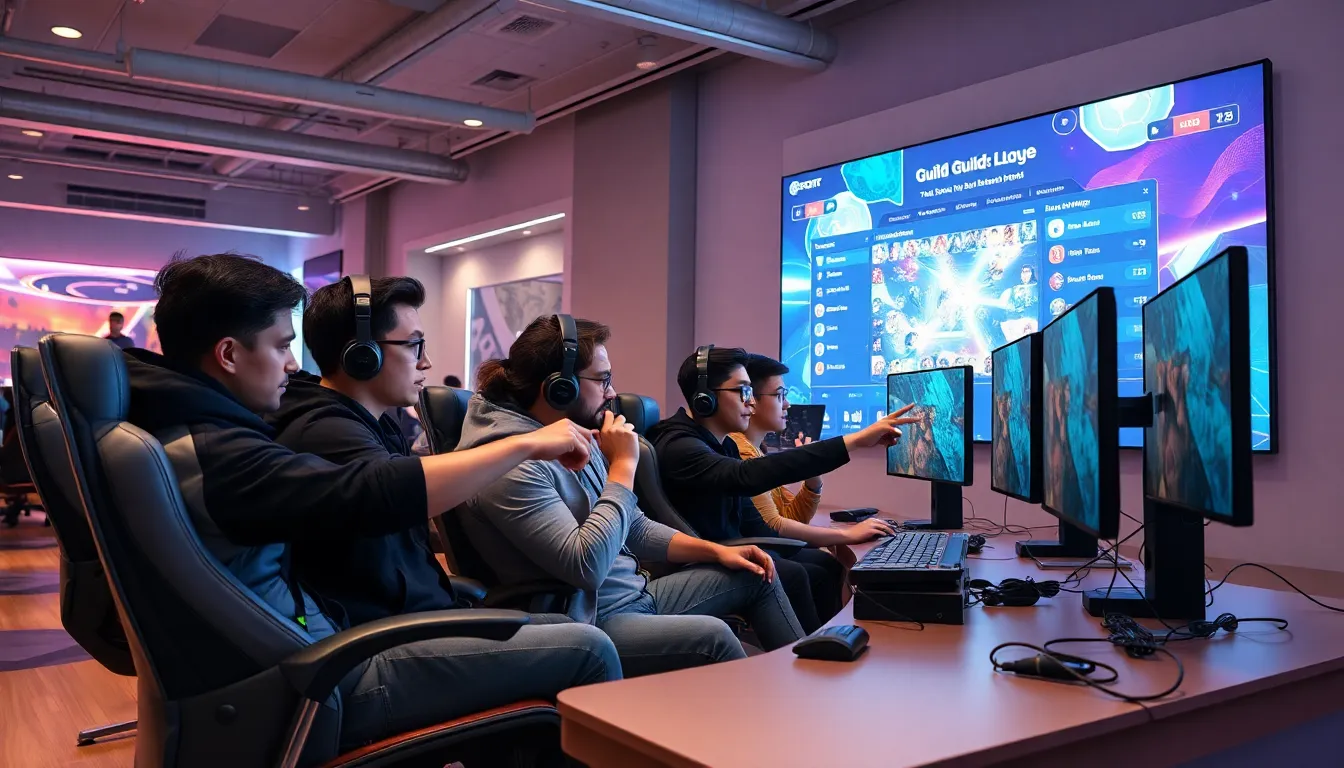
Guild wars ideas can transform how gaming communities connect, compete, and grow together. These structured battles between player groups create some of the most memorable moments in online gaming. They test strategy, reward teamwork, and build lasting bonds between members. But running the same formats repeatedly leads to burnout. Players drift away. Activity drops. The guild starts to feel stale.
This guide explores fresh approaches to guild warfare that keep members engaged and excited. From innovative battle formats to better coordination systems and reward structures, these strategies help guild leaders breathe new life into their communities. Whether someone leads a casual group or a competitive powerhouse, these guild wars ideas offer practical ways to strengthen participation and performance.
Table of Contents
ToggleKey Takeaways
- Guild wars ideas that balance competition, cooperation, and recognition keep players engaged and prevent community burnout.
- Innovative formats like tiered tournaments, objective-based battles, and theme nights add variety and let different skill levels contribute meaningfully.
- Strong coordination requires clear communication channels, defined roles, designated shot-callers, and simple battle plans that hold up under pressure.
- Reward systems should track multiple metrics and recognize participation—not just top performers—to motivate consistent turnout without breeding toxicity.
- Scheduling wars when most members can attend dramatically increases excitement and strengthens the bonds that keep players logging in.
- Running brief after-action reviews and rotating reward types helps guilds continuously improve while maintaining long-term member interest.
What Makes Guild Wars Engaging
Guild wars succeed when they tap into three core motivations: competition, cooperation, and recognition. Players want to test their skills against worthy opponents. They want to feel like their contributions matter to something bigger. And they want acknowledgment when they perform well.
The competitive element draws players in initially. There’s a rush that comes from facing another organized group rather than random opponents. Stakes feel real. Losses sting. Victories taste sweeter. This intensity creates stories that players remember and retell.
Cooperation deepens engagement over time. Guild wars ideas that require coordination, synchronized attacks, role specialization, resource sharing, build relationships between members. A player who relies on teammates during a critical battle forms stronger connections than one who fights alone. These bonds keep people logging in even when the game itself feels routine.
Recognition seals the deal. Players who see their efforts tracked, celebrated, and rewarded stay invested. Those who feel invisible eventually leave. Effective guild wars ideas acknowledge contributions at every level, not just top performers.
Timing also matters more than many leaders realize. Scheduling wars when most members can participate increases engagement dramatically. A guild war with 80% attendance generates more excitement than one where half the roster sits out. Finding that sweet spot requires knowing the community and sometimes rotating schedules to include different time zones.
Innovative Guild War Formats to Try
Standard guild-versus-guild battles work fine, but variety keeps things fresh. These guild wars ideas introduce new formats worth testing.
Tiered Tournaments: Split guild members into skill brackets and run simultaneous wars at each level. Newer players face appropriate competition while veterans battle each other. Everyone contributes meaningfully. This format prevents situations where less experienced members feel carried or useless.
Objective-Based Wars: Move beyond simple elimination. Create wars around capturing territory, defending key points, or completing challenges first. These guild wars ideas reward different skill sets. A player who excels at strategy but lacks mechanical skill can shine in objective modes.
Alliance Battles: Partner with another guild for large-scale conflicts against enemy alliances. This expands the community, introduces players to potential recruits, and creates epic multi-guild battles that feel truly massive.
Internal Competitions: Divide the guild into temporary teams for friendly wars. These events build skills without risking external losses. They also help identify natural leaders and reveal which members work well together.
Theme Nights: Restrict wars to specific rules, melee weapons only, no legendary gear, random team compositions. Constraints force creativity and level playing fields. A veteran using basic equipment faces genuine challenge from a skilled newcomer.
Rotating Championships: Track results across multiple wars and crown seasonal champions. This long-term structure gives every battle meaning beyond the immediate outcome. Players stay engaged because each war affects standings.
Tips for Building Stronger Guild Coordination
Great guild wars ideas fail without solid coordination. These practical tips help teams work together effectively.
Establish clear communication channels. Voice chat during battles, text channels for strategy discussion, and announcement systems for schedules all serve different purposes. Most successful guilds use dedicated Discord servers or similar platforms. The best guild wars ideas include communication plans.
Define roles before battles begin. Every member should know their job: frontline fighters, support players, objective specialists, scouts. Role clarity prevents confusion during intense moments. It also helps players prepare with appropriate gear and abilities.
Run practice sessions. Casual scrimmages against internal teams or allied guilds let players test strategies without consequences. Leaders can try new guild wars ideas in low-stakes environments before implementing them in competitive settings.
Create simple battle plans. Complex strategies fall apart under pressure. Effective plans use clear triggers: “When they push left, our flankers move right.” Members should understand the plan without memorizing lengthy documents.
Designate shot-callers. During battles, someone needs authority to make quick decisions. Too many voices create chaos. Designate primary and backup callers, then trust them to lead.
Conduct brief after-action reviews. Spend ten minutes post-battle discussing what worked and what didn’t. Keep the tone constructive. These reviews accelerate improvement and show members their performance matters.
Rewarding Participation and Performance
Smart reward systems motivate consistent participation. Poor systems create resentment. These guild wars ideas for rewards strike the right balance.
Reward showing up, not just winning. Participation points for attending wars encourage consistent turnout. A player who joins every battle but rarely tops the scoreboard still provides value. Recognition matters.
Track multiple metrics. Kills tell one story. Assists, objective captures, damage absorbed, and healing done tell others. Guild wars ideas that track diverse stats recognize different playstyles. The support player who enables teammates deserves recognition alongside the damage dealer who secures kills.
Offer tiered rewards. Top performers earn premium rewards, but everyone who participates gets something. This structure motivates excellence without discouraging average players. Consider in-game currency, exclusive titles, priority for limited events, or real-world recognition.
Celebrate publicly. Post leaderboards, highlight standout performances in announcements, and recognize improvement. A player who jumps from twentieth to tenth place deserves acknowledgment. Public celebration builds community pride.
Avoid reward systems that breed toxicity. If only the top five players get meaningful rewards, everyone else stops trying. If rewards require excessive time commitments, casual members feel excluded. Balance challenge with accessibility.
Rotate reward types periodically. The same rewards lose appeal over time. Fresh guild wars ideas for prizes, new cosmetics, special privileges, community recognition, maintain excitement.